Order on WhatsApp
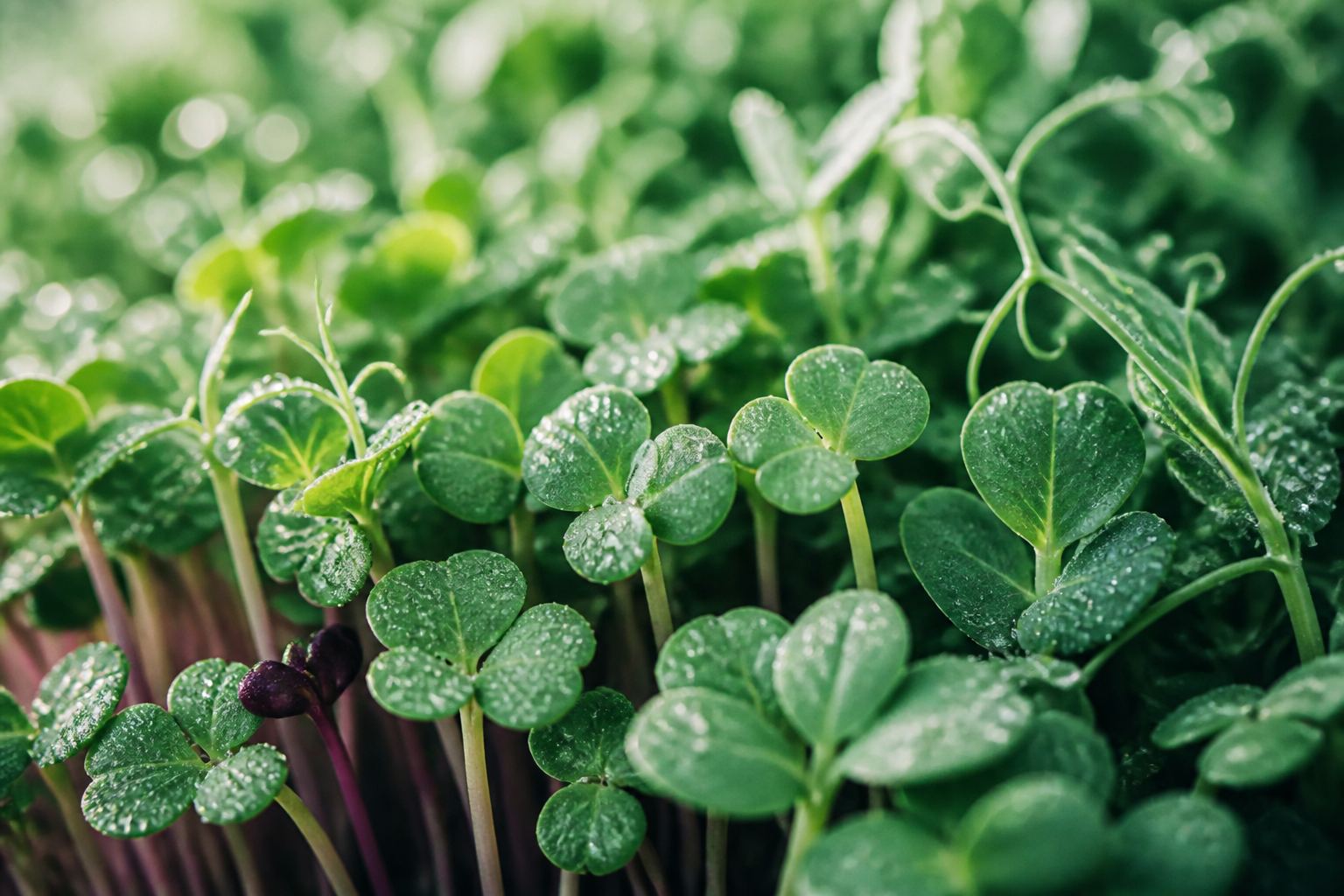
Macro of dew on microgreens
Guide

Everything worth knowing about microgreens.

What are microgreens?

A microgreen is a vegetable harvested seven to fourteen days after germination, once the first true leaves have appeared but long before the plant matures. It is cut above the root, so what you eat is stem and leaf only.

At that moment the seedling still holds the entire nutritional reserve it was given to become a full vegetable, concentrated into a few centimetres. That is the whole idea — you are not eating a garnish, you are eating the plant at its densest point.
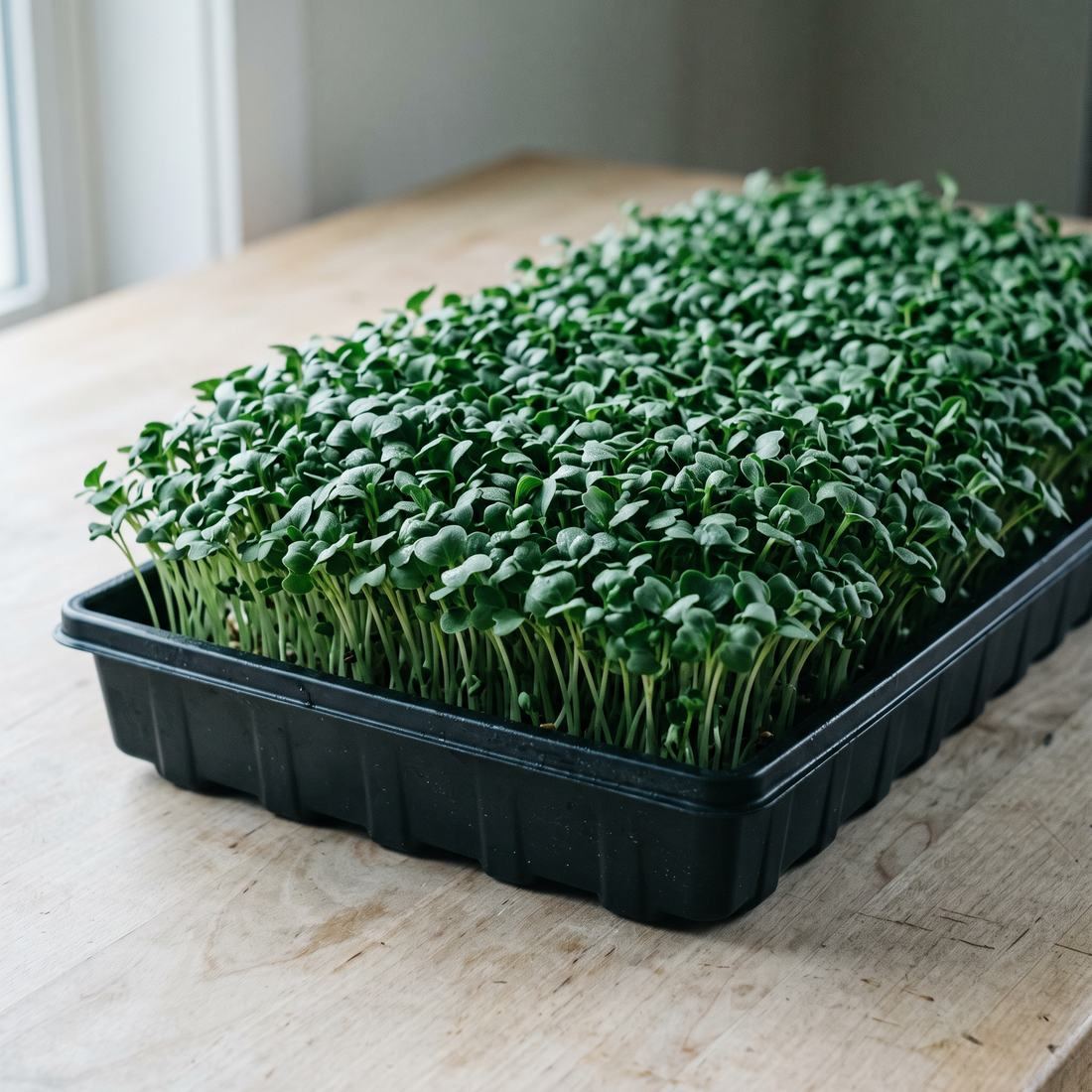
Microgreens close up — cotyledons and first true leaves
Cotyledons and first true leaves, day nine

Why they aren't sprouts

The two are constantly confused, including by people selling them. They are different foods, grown differently, with different risk profiles.

SproutsMicrogreens
Grown inWater, in a jarA growing medium, under light
Time2–5 days7–14 days
You eatSeed, root and shootStem and leaf only
LeavesBarely formedTrue leaves, photosynthesising
FlavourMild, mostly textureDistinct and varietal

Both are worth eating. We grow both. They just aren't substitutes for each other.

Five reasons to eat them

  1. ImmunityPolyphenols and antioxidants that fight free radicals.
  2. MineralsHigher in calcium, magnesium, phosphorus and potassium, and in iron, zinc and copper, than the mature vegetable.
  3. RecoveryAbsorbable amino acids and chlorophyll, useful after training.
  4. DigestionLiving enzymes and prebiotic fibre — which only survive if you eat them raw.
  5. EyesLutein and zeaxanthin, which matter more the longer your working day is spent on a screen.

The flavour table

Varieties that taste nothing alike. Pick by what you're cooking, not by what sounds healthiest.

Radishthe peppery kick.

Rich curries, chaat, wraps and paneer tikka.

Sunflowerthe nutty crunch.

A salad base in its own right, toast, recovery smoothies.

Peashootsthe sweet refresher.

Salads, last-second stir-fries, over dal and pulao.

Mustardthe wasabi zing.

Simple salads, grilled vegetables and meats, sandwiches.

Broccolimild & mighty.

Children's smoothies, dals, everyday meals.
Indian kitchen

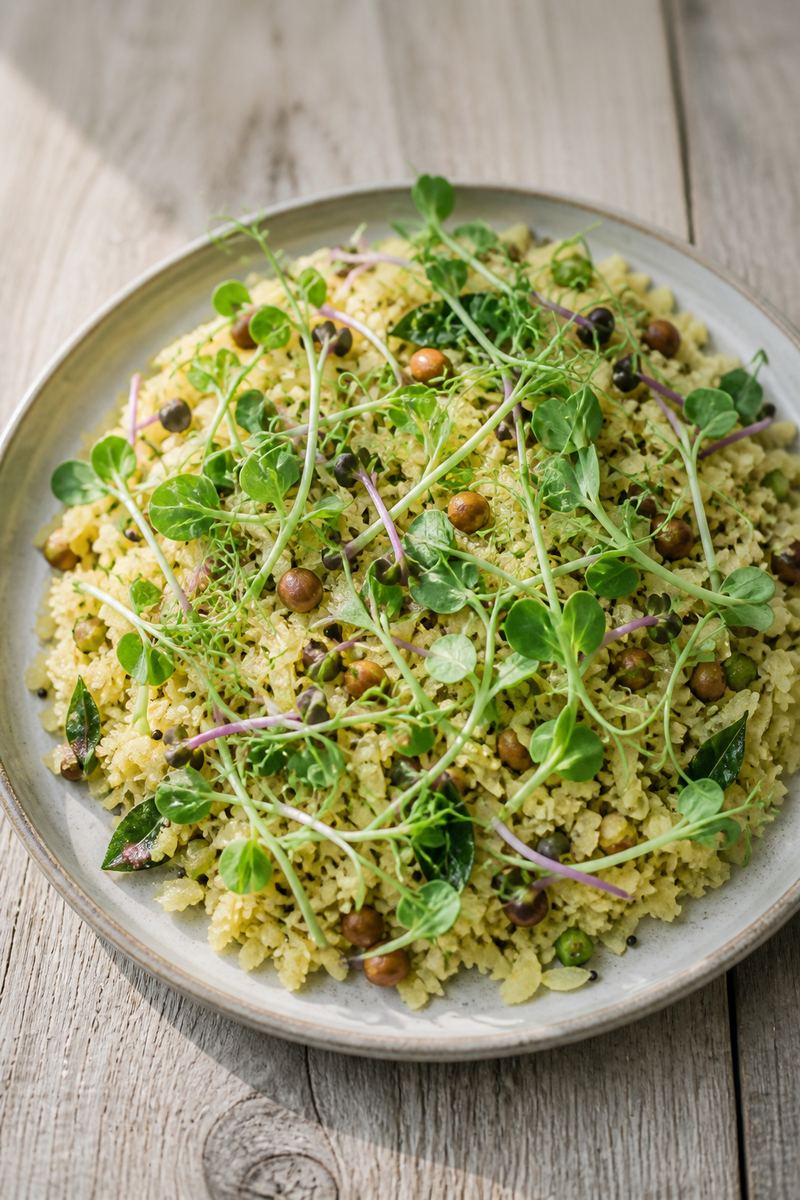
Forget the avocado toast. Put them on poha.

Every microgreens brand in the world photographs the same slice of sourdough. Meanwhile the food most of this country actually eats at 8am takes them better. The rule is simple: stir them in after the heat is off, never during.

Peashoots and radish microgreens over poha

Over poha

Peashoots or radish, scattered off the heat. Sweetness against the lemon.

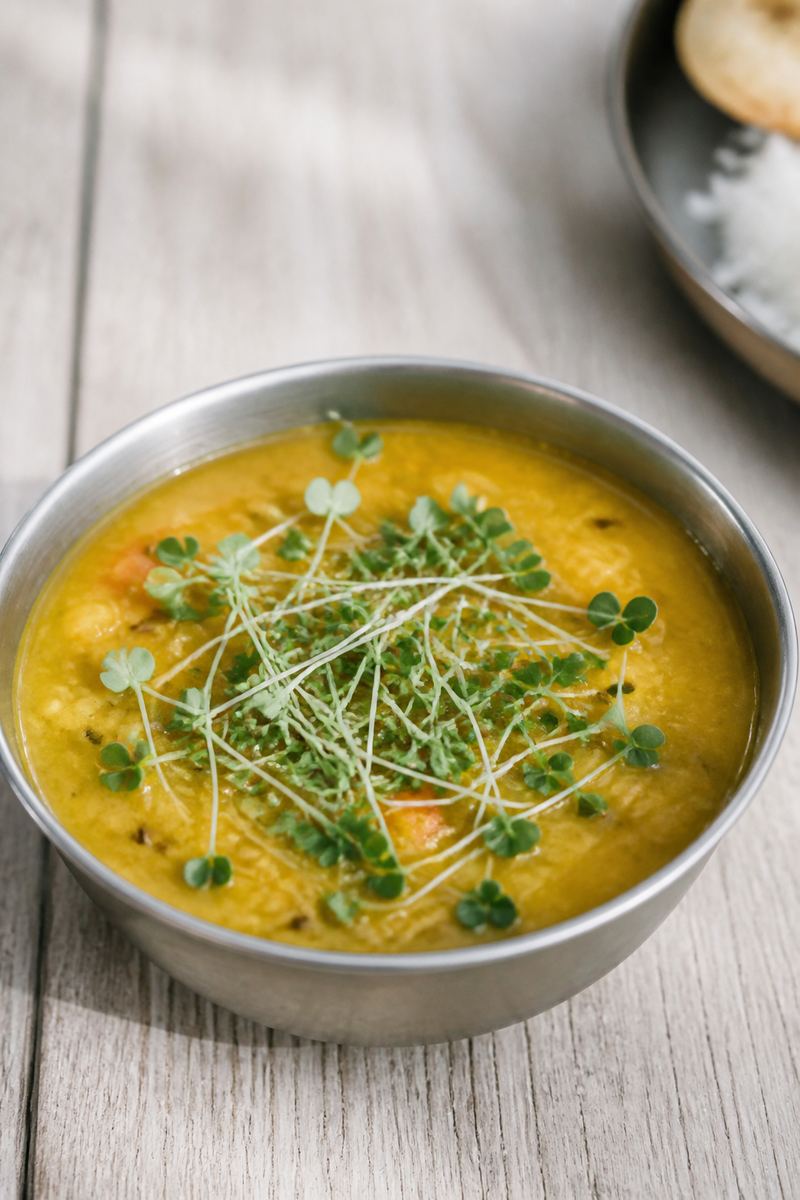
Broccoli microgreens on dal

On a dal

Broccoli, stirred in at the table. Nobody notices; everyone benefits.

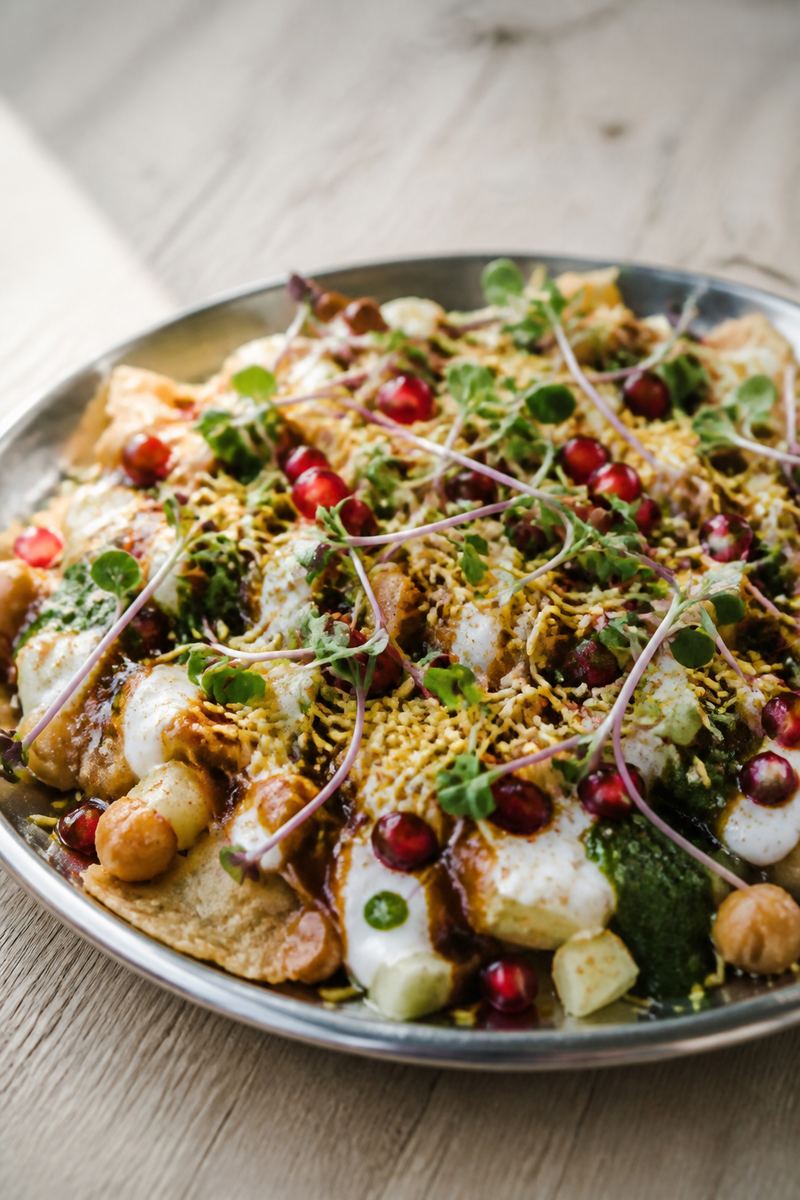
Radish microgreens on chaat

On chaat

Radish instead of raw onion. Same bite, cleaner finish.

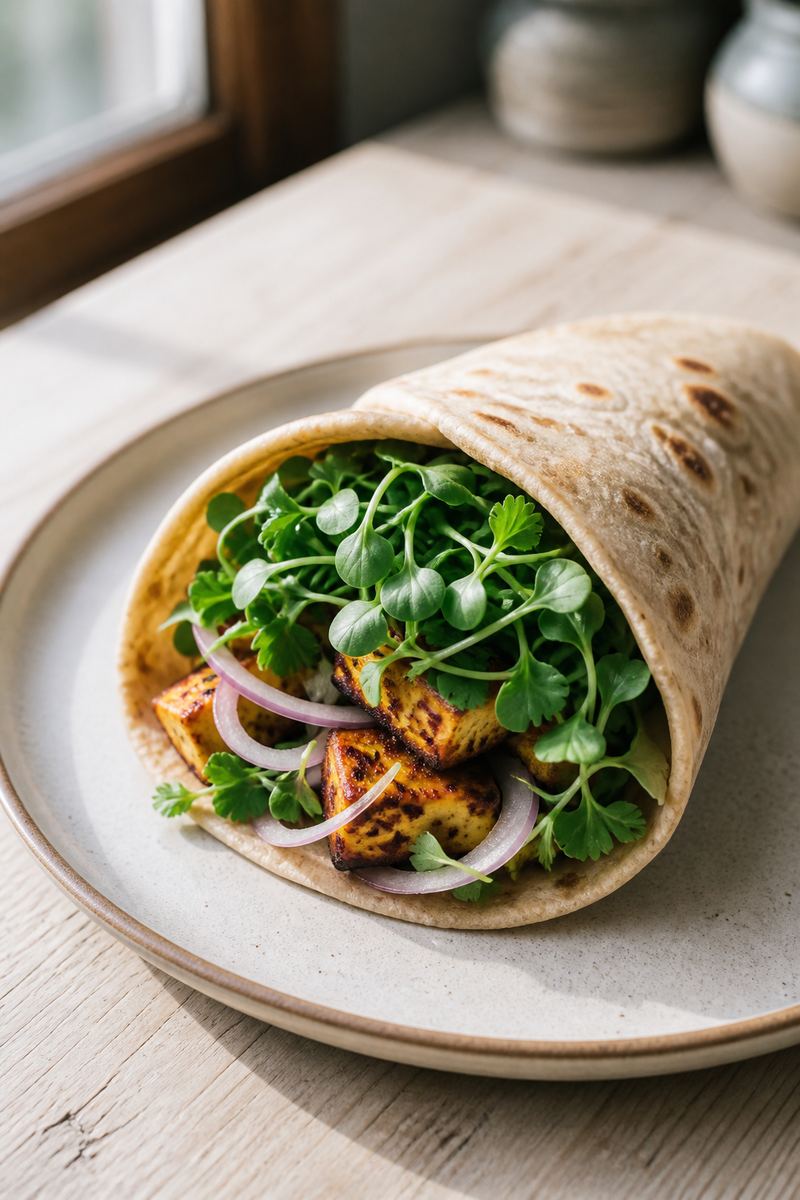
Mustard microgreens in a paneer roti wrap

In a roti wrap

Mustard with paneer tikka. Replaces the chutney's job entirely.

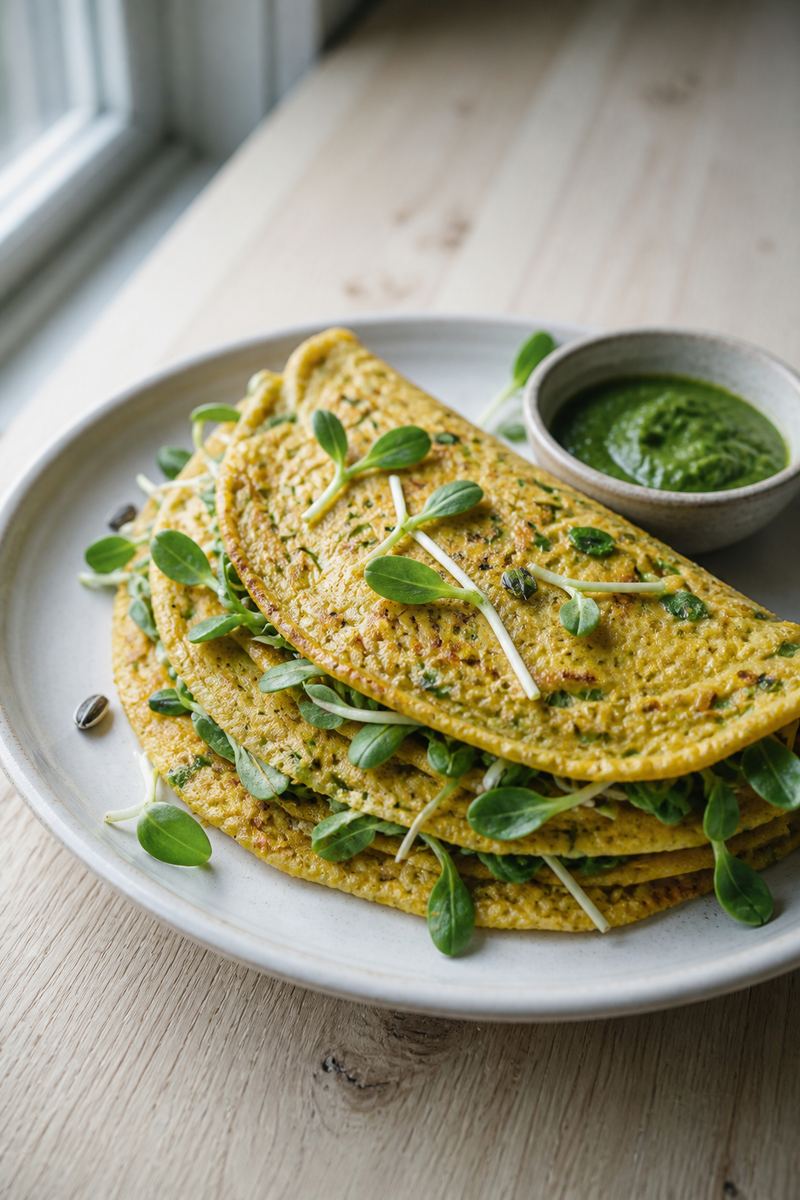
Sunflower microgreens on a besan cheela

On a cheela

Sunflower, folded in at the end. Turns breakfast into a full plate.

Dish images are AI-generated placeholders. This set is still worth a real shoot — no competitor has it.

Freshness

Why farm-to-table isn't a slogan here

A leaf begins losing the day it is cut. Water leaves first, then the water-soluble vitamins, then the flavour. A week in a cold chain removes most of the reason you bought it.

Same-day harvest doesn't just mean fresher on arrival. It means the seven-to-nine day window in your fridge starts on the day you receive them, rather than having already been half spent before you saw the punnet.

Cut this morning, in Bengaluru.

Message us before 6:00 pm and your greens are in tomorrow's harvest.

Order on WhatsApp