
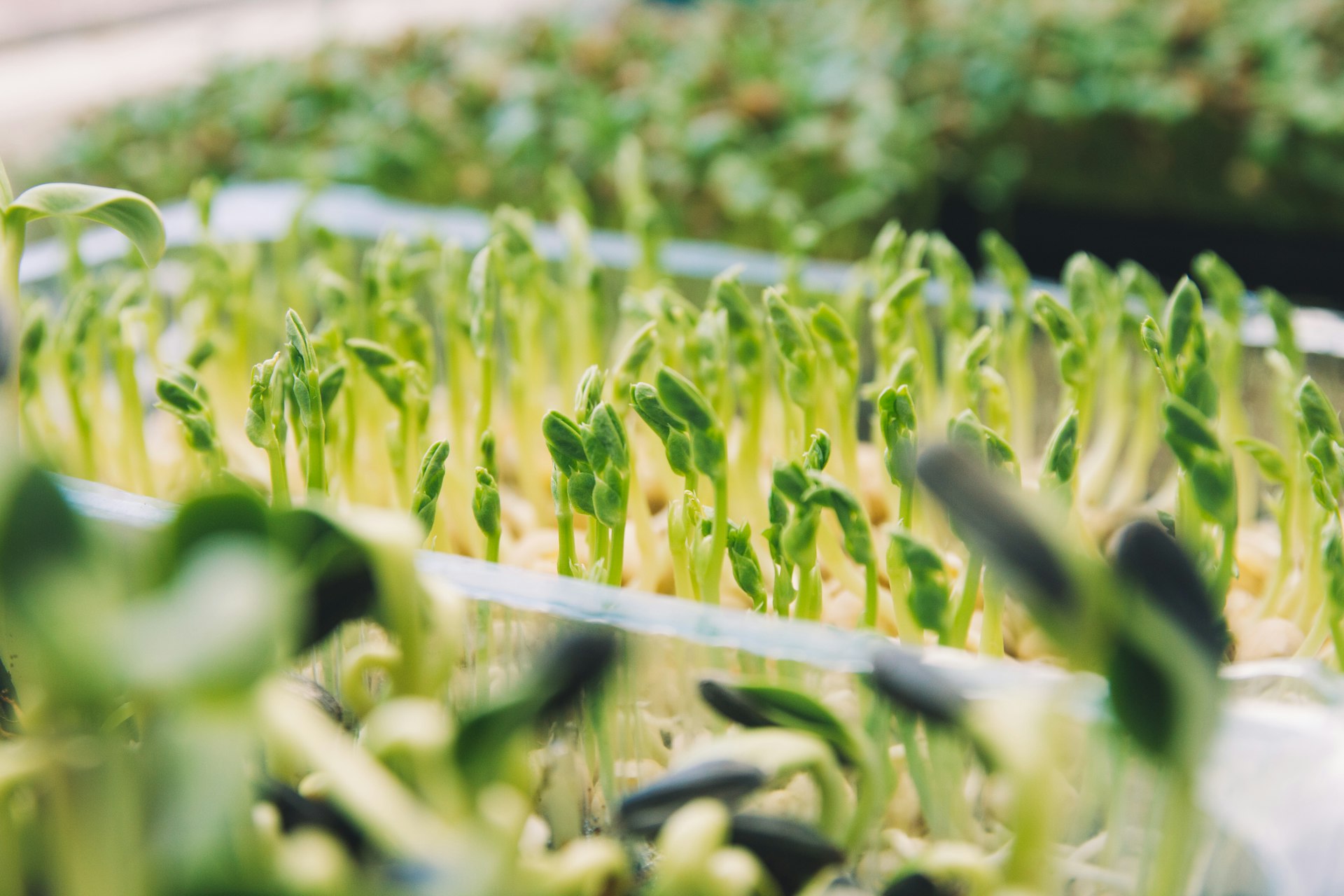
Small inputs, massive impact.
A pixel is the smallest unit that matters.
On its own a pixel is almost nothing. Arranged with enough care and enough others, it becomes the whole picture. That is exactly what a microgreen is: a plant caught at the smallest point where it is already complete, and a handful of them changes a plate.
It is also how we think about running a farm. Precision at the level of a single tray, repeated across a room, is what makes the difference between produce and product.
A city that eats at speed.
Bengaluru has the density of kitchens, the appetite for good ingredients and the traffic that makes a two-hour delivery radius a genuine advantage. A farm in Peenya can reach a restaurant in Indiranagar before service and a home in Whitefield before breakfast.
It also has more people staring at screens for ten hours a day than almost anywhere in India — which is a slightly unromantic reason to grow greens rich in lutein and zeaxanthin, but an honest one.

We removed the supply chain rather than optimising it.
Indoors, under controlled light, with no pesticides and 95% less water than a field. Every tray is monitored individually and cut by hand, above the root, before sunrise.
None of that is unusual on its own. Doing all of it, every day, for a product with a nine-day life is the part that takes discipline.
Inside the growing room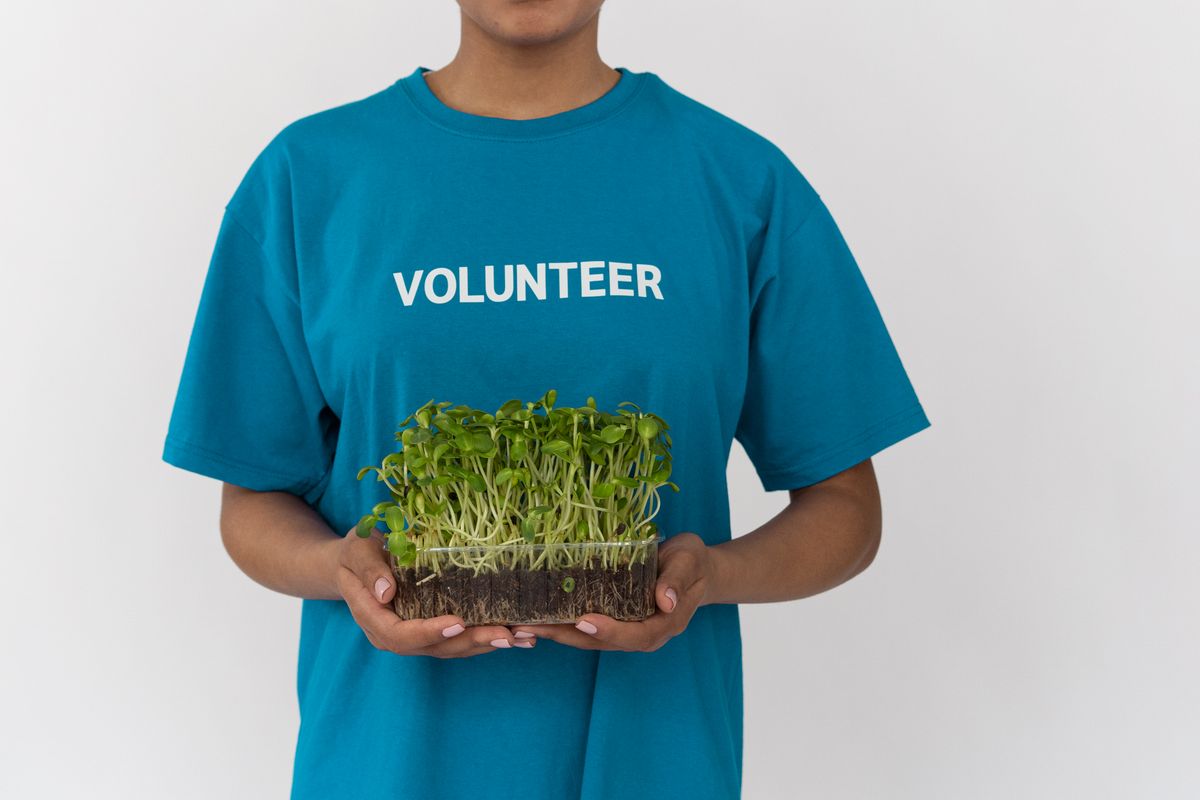
“I started this because I couldn't buy what I wanted to eat.”
⚠ Placeholder. This paragraph is written in first person, unlike the rest of the page: one honest reason the farm exists, told by the person accountable for it. Two hundred words, no mission statement.
It sits here deliberately — directly after the sanitation section, so a chef who has just read how the greens are grown immediately sees who stands behind it.